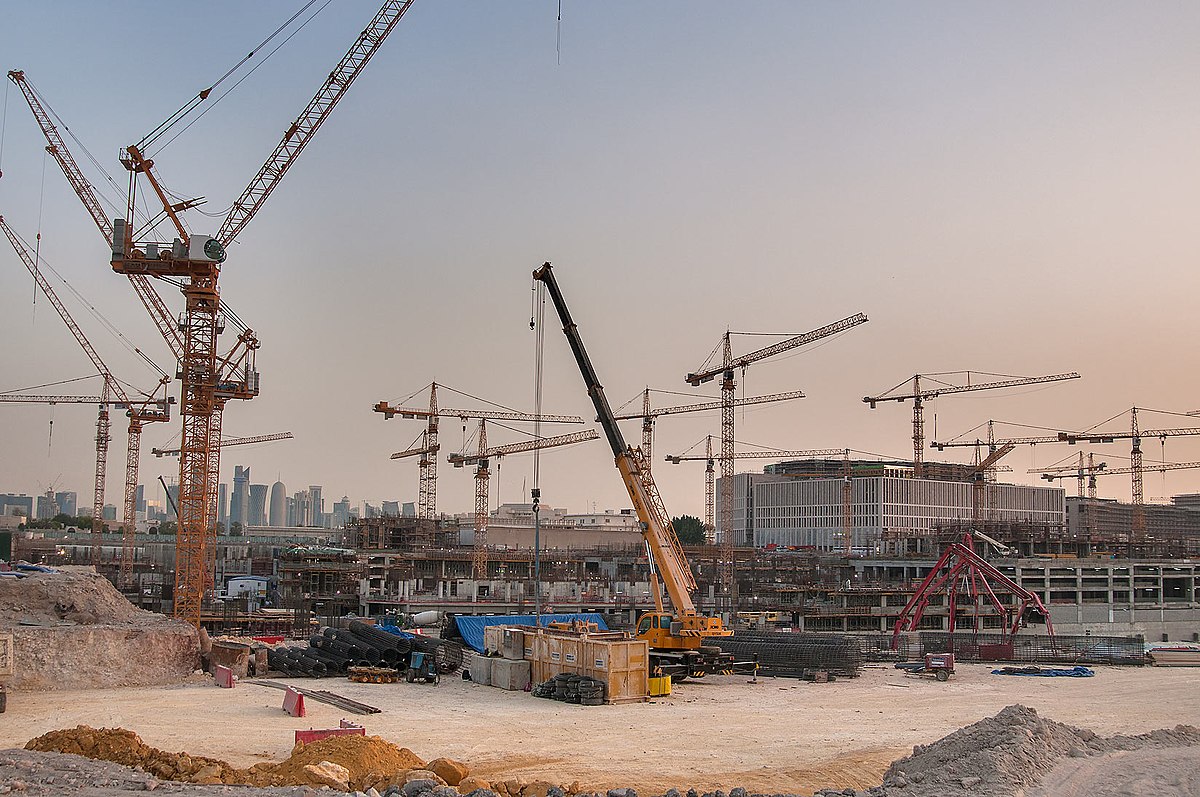
The property and infrastructure landscape across the Gulf is undergoing another step-change — driven not by speculation, but by population growth, investment certainty, and long-term diversification strategies.
For international operators, this is where opportunity becomes tangible.
Population growth: demand is real, not theoretical
The UAE and Saudi Arabia continue to experience strong resident expansion. More people means:
- More housing
- More transport solutions
- More retail and logistics needs
- More commercial services to support daily life
This is structural demand — not a boom-and-bust cycle.
Mega-projects are entering delivery mode
What once looked like “concept art” is hitting construction milestones:
- Tourism destinations
- Technology districts
- Free-zone expansions
- Sports and entertainment precincts
Infrastructure is no longer a future promise. It’s arriving.
China’s role is strengthening
Chinese partners are increasingly present across:
- Major construction contracts
- Digital infrastructure
- Industrial zones
- Financing arrangements
- Solar and energy transition projects
The Belt & Road relationship isn’t abstract – it’s deeply embedded in the build-out of tomorrow’s GCC cities.
This has consequences:
- Faster execution
- Competitive contractor pricing
- Direct supply chain integration with Asia
- More favourable capital mobilisation
For Western firms, the message is blunt:
move faster or risk being priced — or partnered — out.
Commercial space is shifting away from traditional formats
Instead of legacy office towers, demand is heading toward:
- Flexible workspaces
- Mixed-use districts
- Lifestyle-driven retail clusters
- Logistics hubs and distribution footprints
- Sports, recreation and wellness venues
The region is designing for how people want to live in the next decade, not the last one.
What international businesses must do now
If you’re planning to enter or expand in the GCC:
- Secure locations early — prime districts are being claimed quickly
- Build local partnerships — global competitiveness relies on regional access
- Understand new zoning priorities — growth is guided by national strategy, not pure market forces
- Plan for long-term presence — this is a 10–20 year play, not transactional land-grab
Opportunity here will not favour the hesitant.
Final takeaway
The Gulf’s urban evolution is accelerating — and becoming more selective.
Governments are backing projects that:
✔ Attract talent
✔ Diversify GDP
✔ Improve liveability
✔ Strengthen logistics & digital infrastructure
✔ Position cities globally, not regionally
Howarth International is supporting clients who want more than a short-term foothold — those who are ready to build durable market positions aligned with national priorities.
The skyline is changing.
So are the rules of who gets to shape it.