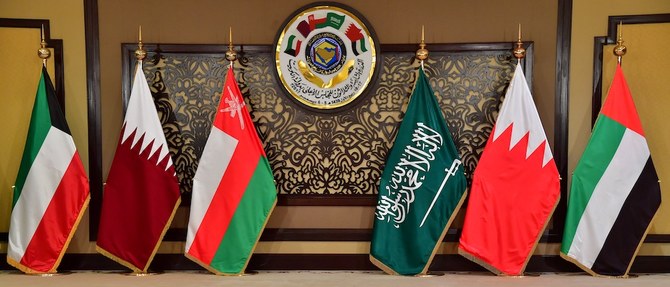
2025 has felt like more than just “another year of growth” for the Gulf. It’s become a year of recalibration — where bold visions met economic gravity, and where quietly executed strategy began to outperform the grandstanding.
For transport operators, mobility players, investors, and companies looking to secure a foothold in the region — the map hasn’t just changed. The rules of market entry have too.
Saudi’s shift: from spectacular to sustainable
The Kingdom’s latest budget makes it plain: spending restraint and capital discipline are here to stay. Saudi Arabia is forecasting a 165 billion riyal (≈ US$44bn) deficit in 2026, prompting a move away from ultra-large real-estate projects in favour of industry, logistics, technology and tourism infrastructure — areas that can return value faster and more reliably.
It’s not a retreat — but a pivot. What made global headlines five years ago is no longer where the economic wins lie today.
Mega-projects under pressure
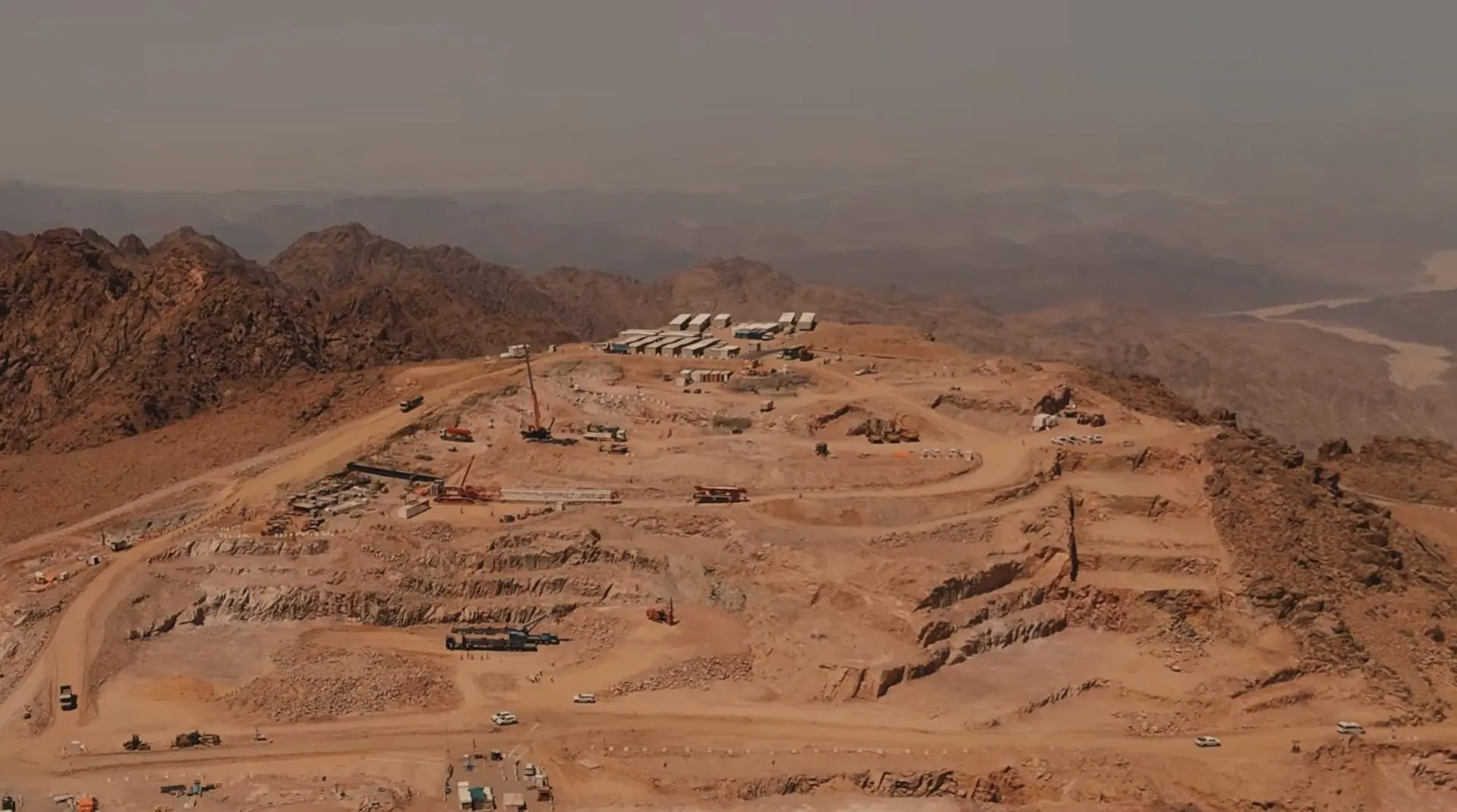
Trojena in NEOM — once positioned as the Middle East’s ultimate alpine resort and home of the 2029 Asian Winter Games — is facing delays significant enough that the Olympic Council has sought alternative Asian hosts as contingency.
This is a symbolic marker of the new reality:
- If the timeline is risky and delivery uncertain, the project is no longer sacred.
Not cancelled — but very much vulnerable.
Why this matters commercially
Saudi’s capital is still deep. Its ambition still immense. But…
- Showmanship has given way to sustainability
- Pace matters more than spectacle
- ROI beats “wow-factor”
- Economic proof points beat marketing videos
Whether you’re an investor, logistics partner, or technology provider — alignment must match what will be delivered, not what was once pitched.
The UAE’s moment: power shifting quietly — and smartly
Across the border, a different kind of strategy is playing out.
Dubai still owns the headlines — sports economy expansion, global talent magnetism, and infrastructure built to delight — but the UAE story now runs deeper than its most famous emirate.
Abu Dhabi is doubling down on:
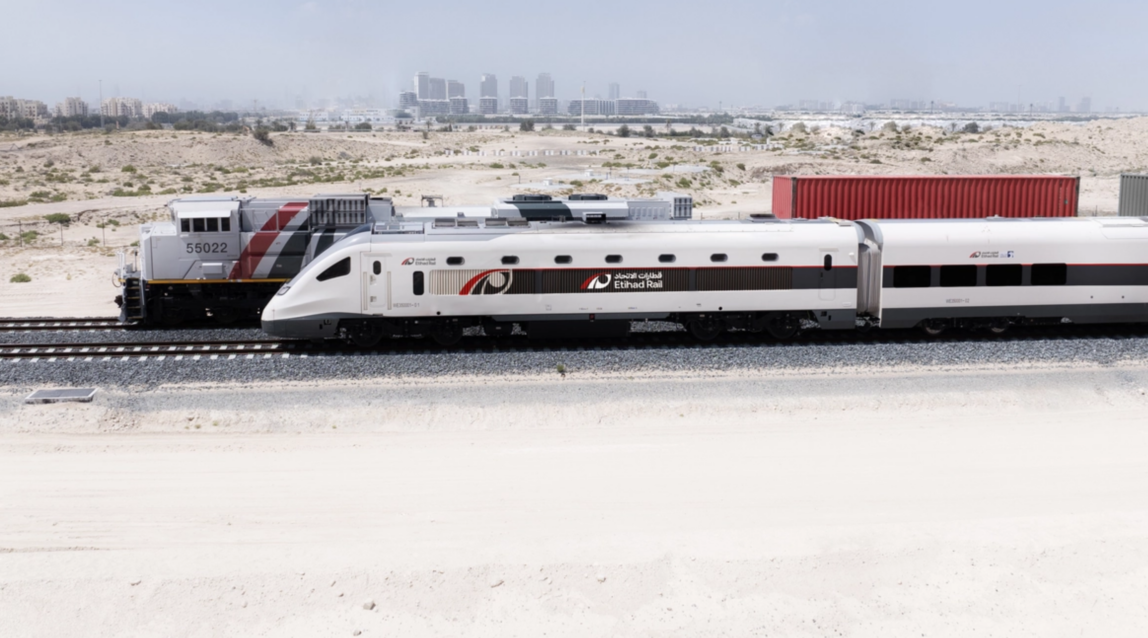
- Logistics and freight infrastructure
- Institutional capital allocation
- Advanced industry and sovereign tech investment
- Global partnerships (energy, defence, AI)
This is the quiet power: not chasing the spotlight — but writing the rules behind it.
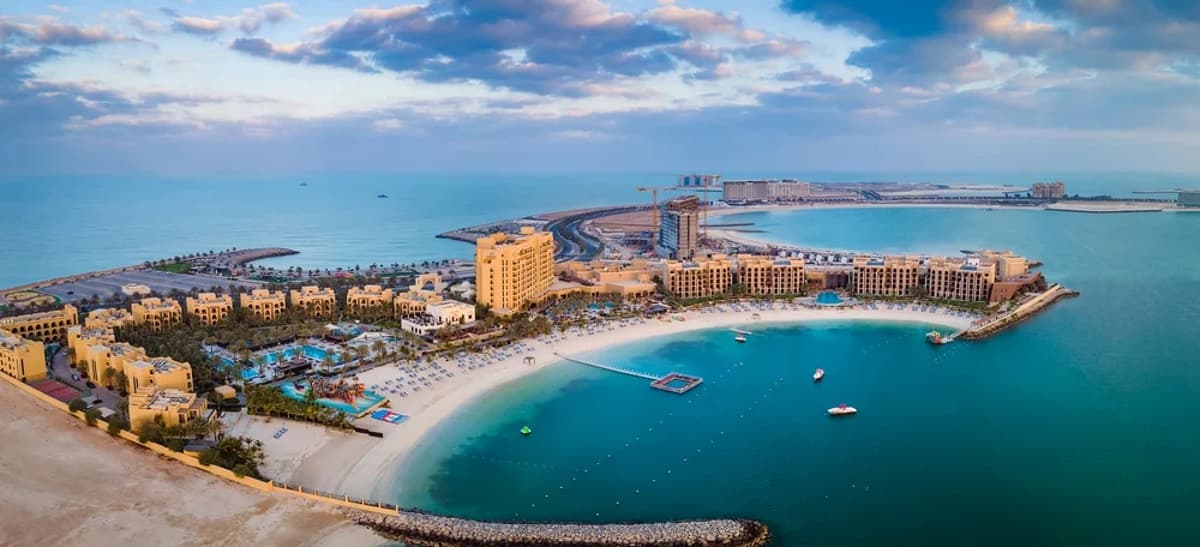
And then there’s Ras Al Khaimah…
2027 will see the opening of the region’s first integrated resort with licensed casino operations — driven by Wynn. That is not just a tourism play; it signals the UAE’s next frontier: regulated entertainment and “destination leisure” as a scalable export product.
The UAE is carefully creating new revenue pillars that are less dependent on oil, and far more elastic to regional and global visitor demand.
The competitive landscape just changed
| Old Rule | New Reality |
|---|---|
| Mega-projects win by size | Projects win by certainty and execution |
| Oil funds everything | Diversification decides competitiveness |
| Saudi outspends the region | UAE outmanoeuvres the region |
| Headline value matters | Supply-chain value matters |
The takeaway is simple:
Capital is shifting from dreams to deliverables.
What smart operators should do in 2026
1️⃣ Prioritise the UAE for HQ / hub footprint
More stable regulatory environment + faster execution.
2️⃣ Re-engage Saudi where demand is real
Industry, mobility, logistics, tourism transport — all firmly in focus.
3️⃣ Look beyond Dubai
Abu Dhabi = capital, industrial base, global influence
RAK = tourism/entertainment breakout play
4️⃣ Embed early
The Gulf is still handing out first-mover advantages — but that won’t last.
5️⃣ Invest in what moves people and goods
Because every major Gulf economic win relies on transport — physically and digitally.
The truth of 2025: The Gulf is no longer one story
It’s now:
- Multiple growth cycles
- Multiple diversification strategies
- Multiple opportunity maps
The strongest businesses will be those that read the differences — and adapt accordingly.
Final Word
2025 wasn’t a slowdown — it was a shake-out. The hype has cleared. The real markets remain.
2026 is the year the Gulf rewards those who:
- Understand the nuances
- Align with execution
- Partner with precision
- Move while others pause
At Howarth International, that’s exactly where we operate — not reacting to announcements from afar, but building presence where the deals actually get signed.