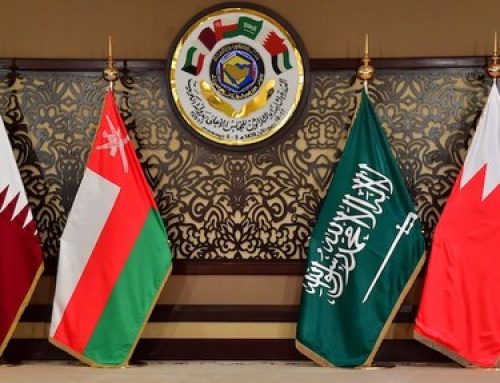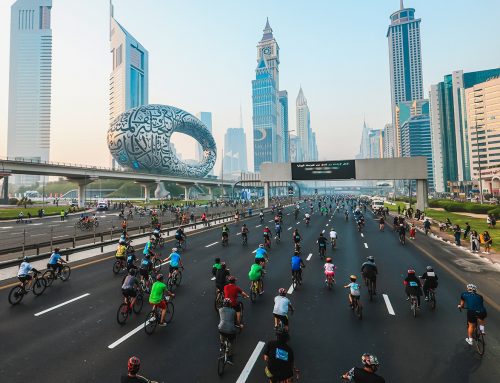
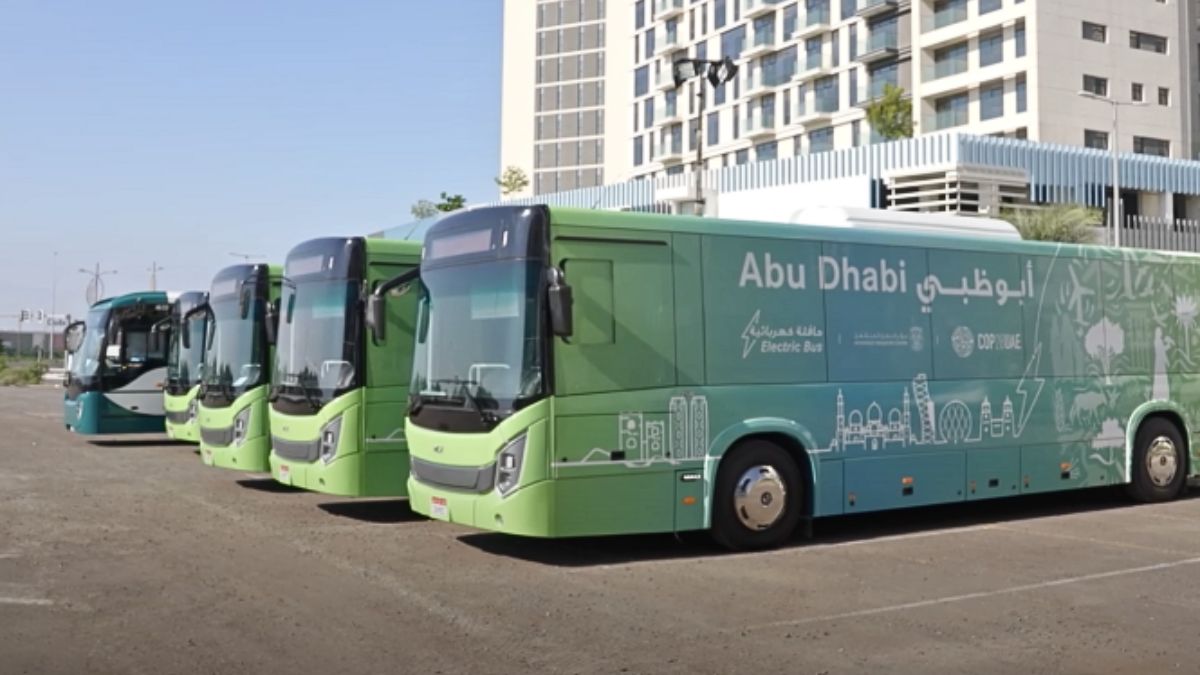
Everyone loves to talk about sustainability. But in the Gulf, it’s no longer just a PR buzzword — it’s getting written into laws, budgets, city plans, and infrastructure.
Still, it’s not perfect. Progress rarely is.
Let’s look at where things genuinely stand today in the Middle East’s shift toward sustainable transport and mobility.
The ambition is massive
Governments across the region are making explicit commitments:
-
Net-zero targets in the UAE and Saudi Arabia
-
Clean-energy integration into urban planning
-
Major EV charging infrastructure programmes
-
Public transport upgrades designed for real adoption
And this ambition is attracting international partners — particularly China, which now plays a major role in both clean energy manufacturing and the global EV supply chain.
BYD, NIO, MG (SAIC) and others see the GCC as a beachhead for winning the next automotive era.
The reality? A work-in-progress
On the ground:
-
EV penetration is rising but remains small
-
Charging networks exist, but coverage can be patchy beyond major cities
-
Culture still heavily favours private petrol mobility
-
Fleet electrification is only just starting
Progress is visible — but uneven.
You can install charging stations easily.
Getting widespread behaviour change? Much harder.
China’s influence is accelerating momentum
Unlike Europe or the US — where EV policy fights drag on — China is delivering:
-
Affordable EV models suited to Gulf consumers
-
Battery tech and manufacturing scale the West simply doesn’t match
-
Strategic financing and partnership models governments like
GCC market strategy is pragmatic:
“If China can help us accelerate the transition, let’s do it.”
And Asian trade relationships — deepened by Belt & Road logistics pipelines — make adoption smoother and faster.
Mobility is modernising — quietly but surely
Behind the scenes:
-
Fleet operators are evaluating EVs at scale
-
Hybrid commercial vehicles are entering supply chains
-
Synthetic fuels and hydrogen projects are gaining serious attention
-
Urban planning integrates EV-first infrastructure into new cities (e.g. Neom, Masdar)
The shift isn’t loud. It’s steady.
And steady change is the most durable kind.
Why global operators should care
Don’t wait for “full maturity”. This early phase is where influence is earned:
-
Charging network ownership
-
Regulatory shaping
-
Automotive distribution rights
-
Mobility service models
-
Technology localisation and manufacturing footprints
If you’re not in the room now, you won’t like who is or how they set the margins.
Final thought
The GCC doesn’t do slow evolution — it does strategic leaps.
Green mobility will be one of them.
At Howarth International, we help organisations position themselves to benefit from this shift — not chase it.
Sustainability here isn’t a marketing trend.
It’s becoming the next competitive frontier.