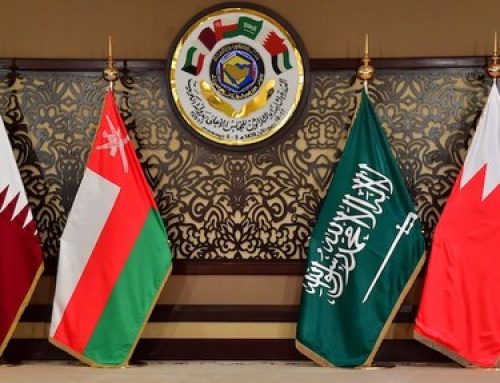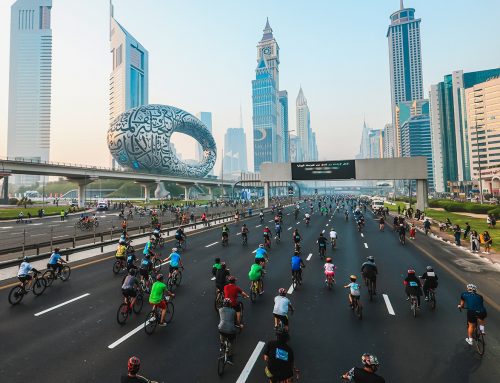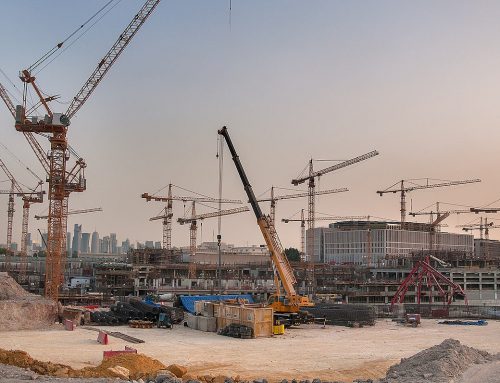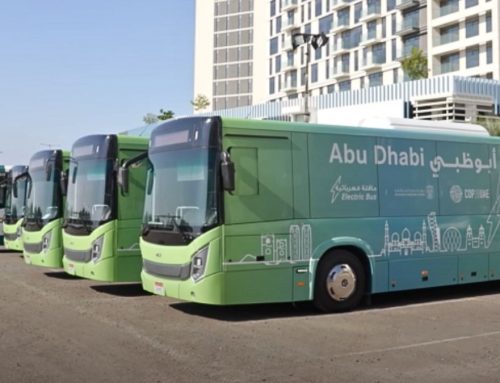
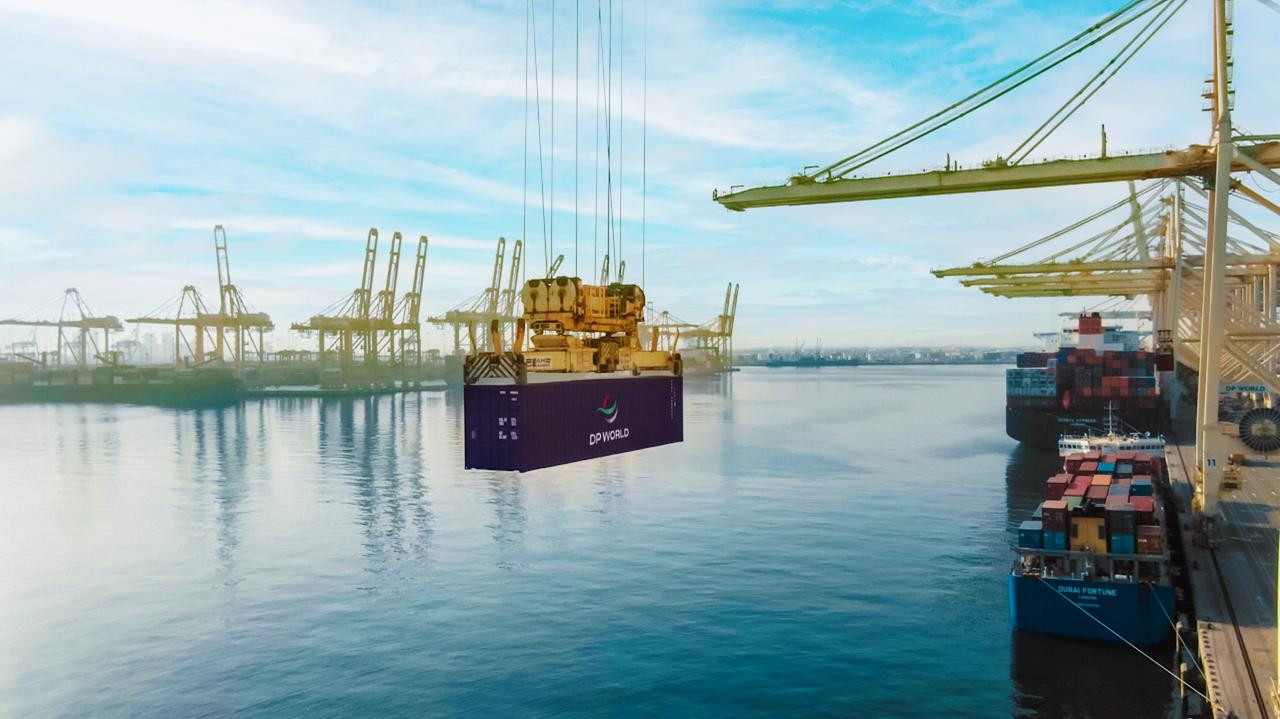
This past month has reinforced a trend we’ve been tracking for years: global supply chains are becoming more regional, more politically influenced, and more dependent on reliable hubs. In that environment, the Middle East — and particularly the GCC — isn’t just benefiting from change. It’s driving it.
The shift: security and speed now beat “cheapest route wins”
Post-pandemic lessons continue to hit hard:
- One port closure can break an entire flow of goods
- Trade lane efficiency is now a board-level concern
- Businesses want more control over what they can’t control
This is why companies are no longer asking where the cheapest factories are.
They’re asking where their goods remain safest and fastest.
Enter the GCC — strategically built for resilience
Here’s the edge the region offers:
1️⃣ Strategic geography
Midpoint between East/West trade — but now leveraged more aggressively than ever.
2️⃣ Investment velocity
Ports, rail, free zones, bonded warehousing — the build-out isn’t slowing.
3️⃣ Policy certainty
Clear rules for logistics operators, and world-class support for international market entry.
4️⃣ Diversified growth
Energy, tourism, manufacturing, e-commerce — many economic engines, not just one.
Put simply:
Global trade volatility makes the Middle East more valuable — not less.
New corridors and new winners
Saudi Arabia’s “Land Bridge” rail, UAE’s digital customs infrastructure, Qatar’s expanding cargo operations — we’re seeing new routes redefine the map.
Businesses positioned in the region are gaining:
- Shorter delivery windows into Africa, India, and Europe
- Reduced dependency on fragile long-haul shipping
- Better operational cost certainty
- Greater agility as markets shift
For transport players, operators, and investors — this transformation isn’t abstract. It’s commercial.
Why this matters for international firms
If you sell products into the GCC — logistics changes will shape margin.
If you manufacture nearby — new infrastructure unlocks speed-to-market.
If you’re considering entry — supply chain strength is now a differentiator, not a backend detail.
The companies winning here are:
- Re-routing distribution via GCC free zones
- Partnering locally to gain operational leverage
- Positioning inventory closer to fast-growing customer bases
- Building presence before competitors wake up
Those who wait will eventually follow — but from behind.
Looking forward
The GCC is executing its strategy:
- Make supply chains stick to the region because it’s the smartest choice.
At Howarth International, we’re helping clients make the move while the playing field is still wide open.
The world’s trade routes are being rewritten.
You just have to decide whether you want to be reading the new map — or drawing it.